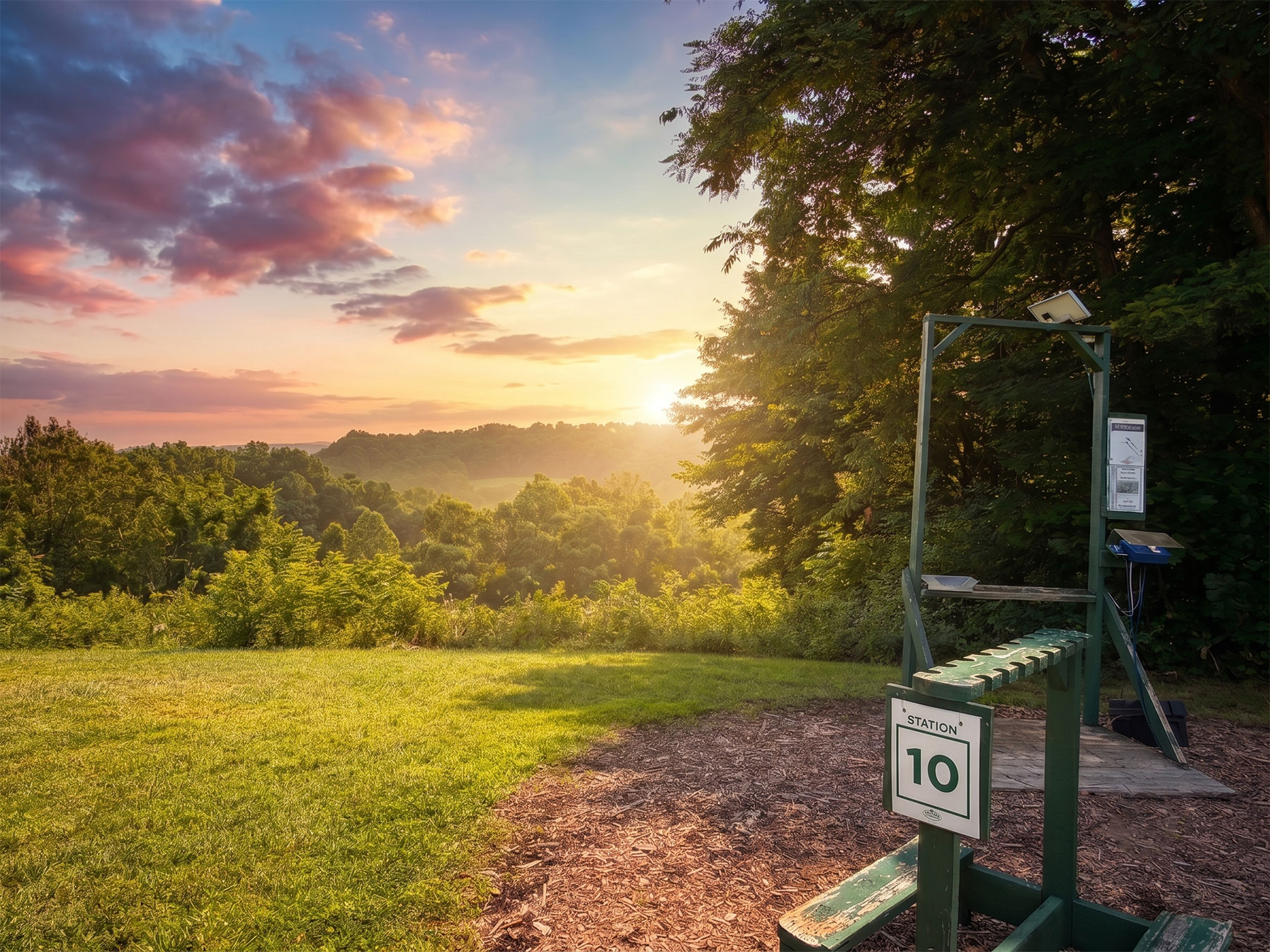

Picture an October evening on the porch of a hunting lodge. The season’s full, the guides are out, the dogs are tired. And the owner has no idea his land has been sitting in an Opportunity Zone since 2018, or that the window to use it is closing this December.
I work with lodges, ranches, and outfitters on how they come across online. I’m not a tax advisor. But one of my longest-running clients is OZPros, founded by Ashley Tison, who has helped investors defer more than a billion dollars through this program. Watching him work, I noticed something: almost nobody in outdoor hospitality knows their property might be in a zone, and they’re exactly the people who could use it.
The best tax advantage most lodge owners have is the one nobody told them about.
The dig
In 2018, governors designated about 8,700 census tracts across the country as Qualified Opportunity Zones, to pull private investment into places that needed it. Anyone with a capital gain, from selling a business, real estate, stock, anything, can invest that gain through an Opportunity Zone fund into a business or property inside a zone and defer the tax. Hold it long enough and the growth on the new investment can come out tax free.
Here’s the part that matters for a lodge. The map was drawn on census income data, not on what’s on the land. Plenty of rural tracts qualified, river valleys, ranch country, timber land, the same places hunting and fishing operations tend to be. Being in a zone has nothing to do with what your business does. It’s only about where it is.
The find
More than you’d guess, and fewer than everyone. We checked 265 lodges, ranches, and outfitters across the country against the official tract lists, verifying each property’s address with the Census Bureau. About one in twelve sat inside a current zone. Premium lodges on scenic land in the Mountain West mostly weren’t. Quail plantations in south Georgia, duck operations in the Delta, and fishing lodges on rural water showed up far more often.
Almost none of the owners we found knew.
The 2025 tax law made the program permanent, but it starts over with a new map. Governors nominated new tracts this fall, Treasury certifies the list in November and December, and the new zones take effect January 1, 2027, running through 2036.
The 2018 zones don’t disappear on that date. They stay designated through the end of 2028. What changes is what they’re good for. Under IRS Notice 2026-40, gains invested on or after January 1, 2027 generally can’t go into a project in an old zone unless that project already has a written working capital plan in place by December 31, 2026, with part of the money received and spent or under contract. And property bought after 2026 in an old zone generally only counts if it’s replacing or improving what’s already there, not expanding.
Thousands of today’s zones aren’t eligible for the new map, because the income test got stricter. If your property is in one of them, the practical deadline for new Opportunity Zone investment is the end of this year.
If your tract makes the new map and counts as rural, the benefit improves. The new rules give rural investments a 30 percent step-up in basis instead of 10 percent. Treasury identified 8,334 rural tracts as eligible for the new round, which is exactly the kind of land lodges and ranches sit on.
I’ll stay in my lane and leave the specifics to Ashley’s team, but the shapes are worth knowing. If you’re planning to sell, a buyer with capital gains can invest through an Opportunity Zone fund, which can change what they’re able to pay. If you’re expanding, more cabins, a new lodge building, more acreage, the money going in may qualify. If you’ve sold something else recently and have a gain sitting there, your own property might be where it goes. And if you’re bringing in a partner or an investor, it’s a reason for them to say yes that has nothing to do with your bird count.
1. Go to map.ozpros.com and type the street address of the property itself, not a PO box.
2. It shows whether you’re in a current zone, whether your tract is eligible for the 2027 map, and whether it counts as rural.
3. If any of those come back yes, talk to someone who does this for a living before December 31.
Two minutes and a street address. If it comes back no, you’ve lost nothing. If it comes back yes, you’ve found something most of your competitors don’t know about their own land, and you’ve found it with time left to use it.
Want me to check your property? Send me the address and I’ll look it up, tell you what came back, and put you in touch with Ashley’s team if it’s worth a conversation. No charge, and no obligation either way.
Sources: IRS Notice 2026-40, June 18, 2026. IRS Revenue Procedure 2026-14 and appendix. U.S. Department of the Treasury, new Opportunity Zone designation cycle, July 2026. CDFI Fund, Designated Qualified Opportunity Zones, December 2018. GiddyBrands analysis of 265 outdoor hospitality businesses against the 2018 designations and 2027 eligibility list, September 2026. This is general information from a branding studio, not tax or legal advice. Talk to a qualified advisor about your situation.
GiddyBrands is a senior-led branding studio in Charlotte, North Carolina, working with founder-led businesses across the US and abroad. No account manager layer, the person you talk to builds the work. The portfolio shows what that looks like in practice.
Enter the property’s street address at map.ozpros.com or on the HUD Opportunity Zone map. It shows whether the census tract is a current zone, whether it’s eligible for the 2027 map, and whether it’s rural. Use the physical address, not a PO box, since zones are drawn by census tract.
Not exactly. The 2018 designations stay in place through December 31, 2028. But under IRS Notice 2026-40, new gains invested after 2026 generally can’t go into an old-zone project unless it had a funded written plan by December 31, 2026. A new map takes effect January 1, 2027.
Potentially. If the property sits in a zone, a sale, an expansion, a new partner, or reinvesting a gain from something else may qualify for Opportunity Zone treatment. The specifics depend on the deal, so talk to an Opportunity Zone advisor.
A zone in a tract classified as rural under the 2025 law. Rural investments in the 2027 map get a 30 percent step-up in basis instead of 10 percent. Treasury identified 8,334 rural tracts as eligible.
You can pan every bend in the river, or you can know where the gold sits.
Or call or text 704-457-9132
Branding and marketing for founders who want to be the obvious choice.